

The short answer
ChatGPT rewrites your buyer's question into one or more targeted search queries, sends them to search providers, reviews what comes back, and writes an answer with citations. To be cited, your site has to let OpenAI's search crawler in, and your pages have to be among the most relevant, reliable results for those rewritten queries.
Key takeaways
- ChatGPT searches with sharper queries than the buyer typed.
- OAI-SearchBot, not GPTBot, controls whether you can appear in ChatGPT search.
- Being well indexed in Bing is part of being found.
Most teams treat ChatGPT like a black box. It isn't. OpenAI publishes how its search works and which crawler it uses, and the mechanics are more familiar than you'd think.
That matters, because being in the answer changes how buyers see you. In G2's 2026 buyer research, 85% of B2B software buyers said they think more highly of a vendor when an AI chatbot includes it in an answer.1
of B2B software buyers think more highly of a vendor that an AI chatbot includes in its answer.
Source: G2, The Answer Economy, April 2026 [1]What happens when a buyer asks ChatGPT a question?
Five things, according to OpenAI's own help center.2
It decides whether to search
ChatGPT may search the web automatically when a question would benefit from current information. Users can also switch search on themselves.
It rewrites the question
ChatGPT typically turns the prompt into one or more targeted queries. Location and saved preferences can shape that rewrite.
It sends those queries to search providers
OpenAI says ChatGPT sometimes works with other search providers, and references Microsoft among them.
It reviews the results, and may search again
ChatGPT can send follow-up queries after reading the first set of results.
It writes the answer and cites sources
Citations link to the pages used, and a Sources view lists cited and related links where available.
So your page isn't competing for the buyer's original prompt. It's competing for the sharper, more specific queries ChatGPT writes on their behalf.
What makes your site eligible?
One crawler decides it. OpenAI says a site must allow OAI-SearchBot to crawl it, and allow traffic from OpenAI's published search bot IP addresses, to be eligible for ChatGPT search.2
Teams often confuse this with GPTBot, which is a different bot with a different job.3
| OpenAI bot | What it does | If you block it in robots.txt |
|---|---|---|
| OAI-SearchBot | Surfaces websites in ChatGPT search | Your pages won't be shown in ChatGPT search answers, though they can still appear as navigational links |
| GPTBot | Crawls content that may be used to train OpenAI's models | Signals your content shouldn't be used for training; search eligibility is controlled by OAI-SearchBot |
| ChatGPT-User | Visits pages when a user's action asks for it | OpenAI notes robots.txt rules may not apply, because a user started the request |
Table 1. OpenAI's crawlers and what blocking each one does. [3]
You can block training and still allow search. Many companies want exactly that combination.
How does ChatGPT pick between eligible sources?
OpenAI says ranking uses multiple factors aimed at relevant, reliable results, and that placement isn't guaranteed.2 It doesn't publish the factors. What it does publish tells you where to focus.
- Rewritten queries are specific. A buyer types "what should I use for SOC 2?" ChatGPT may search for something closer to "SOC 2 compliance automation tools for SaaS startups." Pages that answer that exact need are easier to pick.
- Search providers do the first cut. If ChatGPT works with providers like Microsoft, being well indexed in Bing is part of being found. Bing Webmaster Tools is a quick setup most SaaS teams have never done.
- Follow-up searches reward depth. When ChatGPT searches again, pages that cover pricing, comparisons, and use cases give it more to work with than a single homepage.
OpenAI itself warns that search results and citations can be incomplete, outdated, or incorrect.2 Check what ChatGPT says about you every month. If it's wrong, the fix usually starts with the pages it's citing.
How do you get into the answer?
Check your robots.txt
Make sure OAI-SearchBot is allowed, and that your CDN or firewall isn't blocking OpenAI's published IP ranges.
Get indexed in Bing
Verify your site in Bing Webmaster Tools and submit your sitemap.
Write for the rewritten query
Name your category, audience, and use case plainly in titles, headings, and the first sentence of each page.
Cover the follow-ups
Publish the pages a careful buyer would check next: pricing, comparisons, integrations, security.
Test with search on
Ask your buyers' top questions in ChatGPT monthly, open the Sources view, and log who gets cited.
The Sources view shows related links ChatGPT read but didn't cite. Those pages are your closest competitors for the citation.
Read next: Why does AI keep recommending your competitor? New to the terms? Start with AEO, GEO, and SEO: what's actually different?
The bottom line
ChatGPT search isn't magic. It's a search engine with a writer on top. Be the clearest page in the results, and you give the writer something worth quoting.
Sources
- G2, In the Answer Economy, Don't Win the Click, Win the Answer, April 15, 2026. company.g2.com/news/g2-research-the-answer-economy
- OpenAI Help Center, ChatGPT search, accessed October 13, 2026. help.openai.com/en/articles/9237897-chatgpt-search
- OpenAI, Overview of OpenAI crawlers, accessed October 13, 2026. developers.openai.com/docs/bots
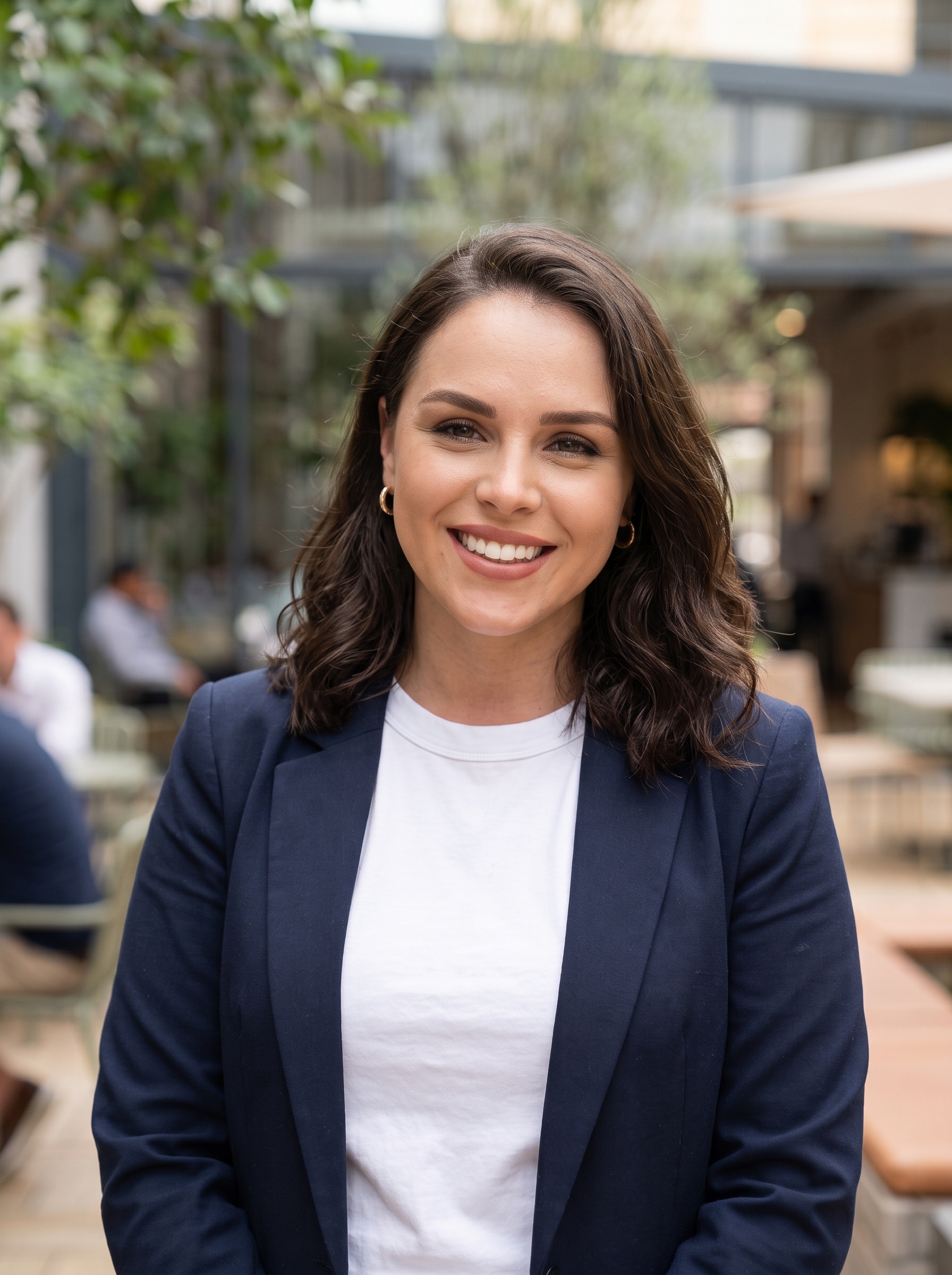
About the author
Aimee van der Haar
Aimee founded Bearly Creative to give great startups and tech companies the marketing they deserve. She works across strategy, design, content, and AI search, and she still does the work herself.